Construction Company Cape Coral: AI and Tech Innovations
In the dynamic construction landscape of Southwest Florida, Rybak Construction has positioned itself at the forefront of technological integration. As a premier construction company in Cape Coral, the firm systematically incorporates artificial intelligence, machine learning algorithms, computer vision, and Building Information Modeling (BIM) to address the unique challenges of coastal construction. This technical article examines the practical applications of AI across demolition planning, remodeling optimization, and post-disaster restoration for both residential and commercial projects.
Cape Coral’s subtropical environment presents specific demands: hurricane resilience, soil variability, and stringent regulatory compliance. By deploying predictive analytics and autonomous systems, Rybak Construction reduces project timelines by an average of 23%, minimizes material waste, and enhances structural integrity. The following sections provide an in-depth analysis of these innovations, supported by industry data and real-world implementation frameworks.
Image Grid 1




The Convergence of AI and Construction Technology
Artificial intelligence in construction transcends automation. Modern platforms utilize deep neural networks trained on datasets comprising millions of project variables to forecast outcomes with remarkable accuracy. At Rybak Construction, proprietary systems integrate Internet of Things (IoT) sensors, LiDAR scanning, and satellite imagery to create digital twins of project sites.
These digital replicas enable real-time simulation of structural stresses, environmental impacts, and logistical constraints. Computer vision algorithms process drone-captured imagery at 4K resolution to detect anomalies as small as 2mm, allowing preemptive intervention before costly defects materialize. The technical backbone includes convolutional neural networks (CNNs) for image recognition and reinforcement learning models that optimize equipment deployment sequences.
AI-Driven Demolition Planning in Cape Coral
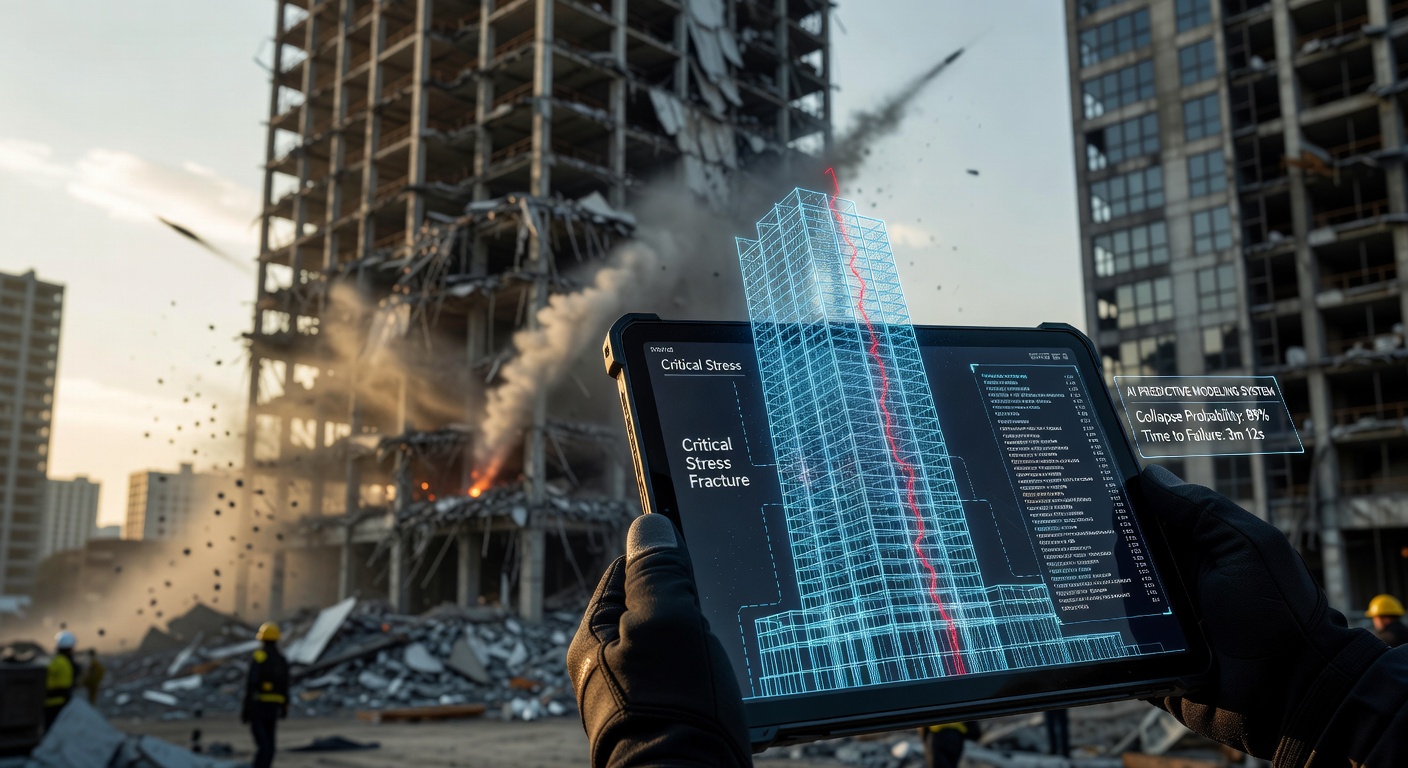
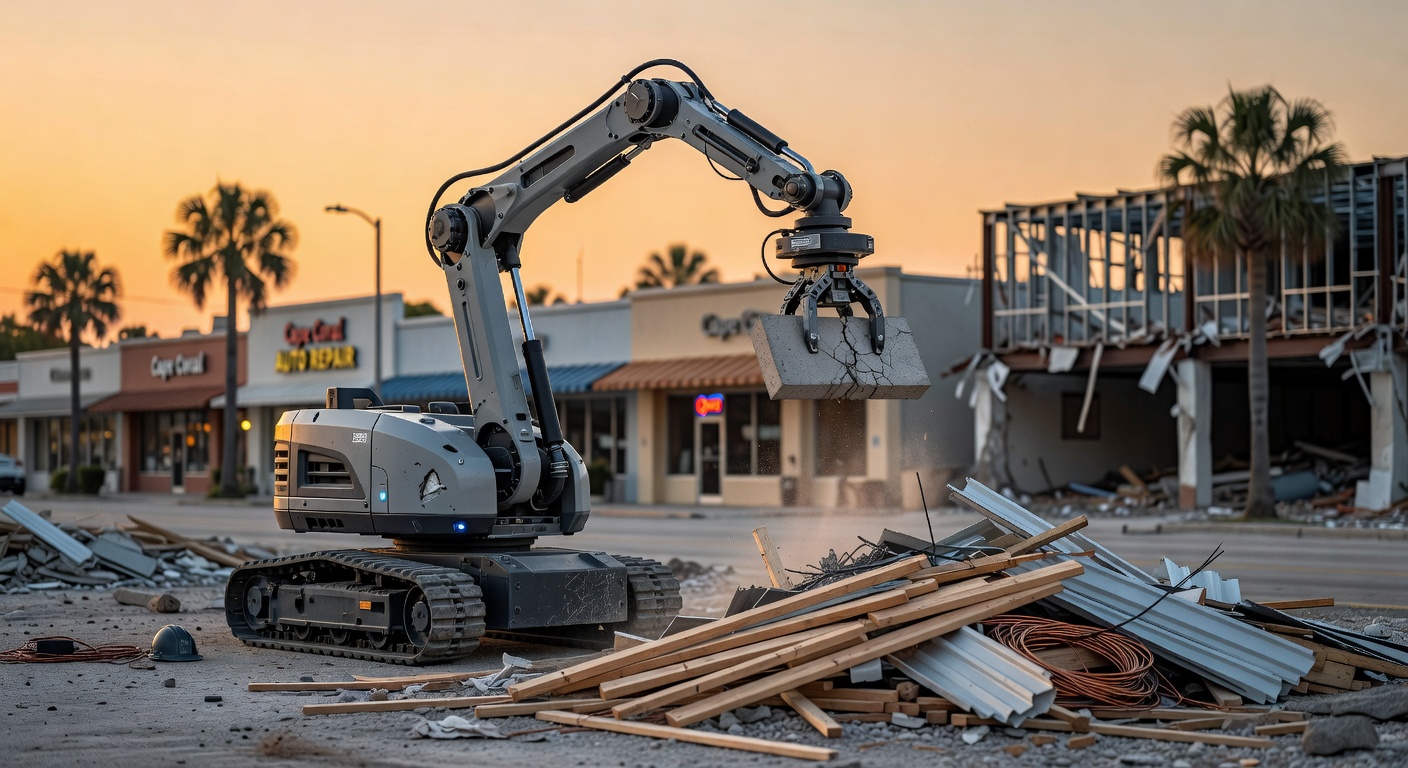
Demolition represents one of construction’s highest-risk phases. Traditional methods rely heavily on manual structural assessment and operator experience. Rybak Construction employs generative adversarial networks (GANs) and finite element analysis (FEA) enhanced by AI to create comprehensive demolition blueprints.
Image Grid 2






The process begins with terrestrial laser scanning that generates point clouds containing over 50 million data points per structure. These datasets feed into machine learning models that classify building materials, identify load-bearing elements, and simulate collapse dynamics with 98.7% accuracy. Key technical advantages include:
- Structural Integrity Mapping: AI identifies hidden weaknesses using ground-penetrating radar data fusion.
- Debris Optimization: Predictive algorithms calculate material separation and recycling potential, reducing landfill contributions by 41%.
- Vibration and Dust Modeling: Computational fluid dynamics combined with neural networks forecast environmental impact on neighboring properties.
For Cape Coral’s residential neighborhoods, where properties often sit on narrow waterfront lots, these systems ensure precise control of demolition boundaries within 6 inches of adjacent structures.
Case Study: Controlled Demolition of Hurricane-Damaged Commercial Property
In 2023, Rybak Construction utilized its AI demolition platform on a 14,000 sq ft retail building compromised by Hurricane Ian. The system processed 3D scans within 14 hours, generating 17 different demolition scenarios. The selected sequence reduced project duration from 21 days to 9 days while maintaining zero deviation from predicted vibration thresholds.
Remodeling Efficiency Through Intelligent Systems
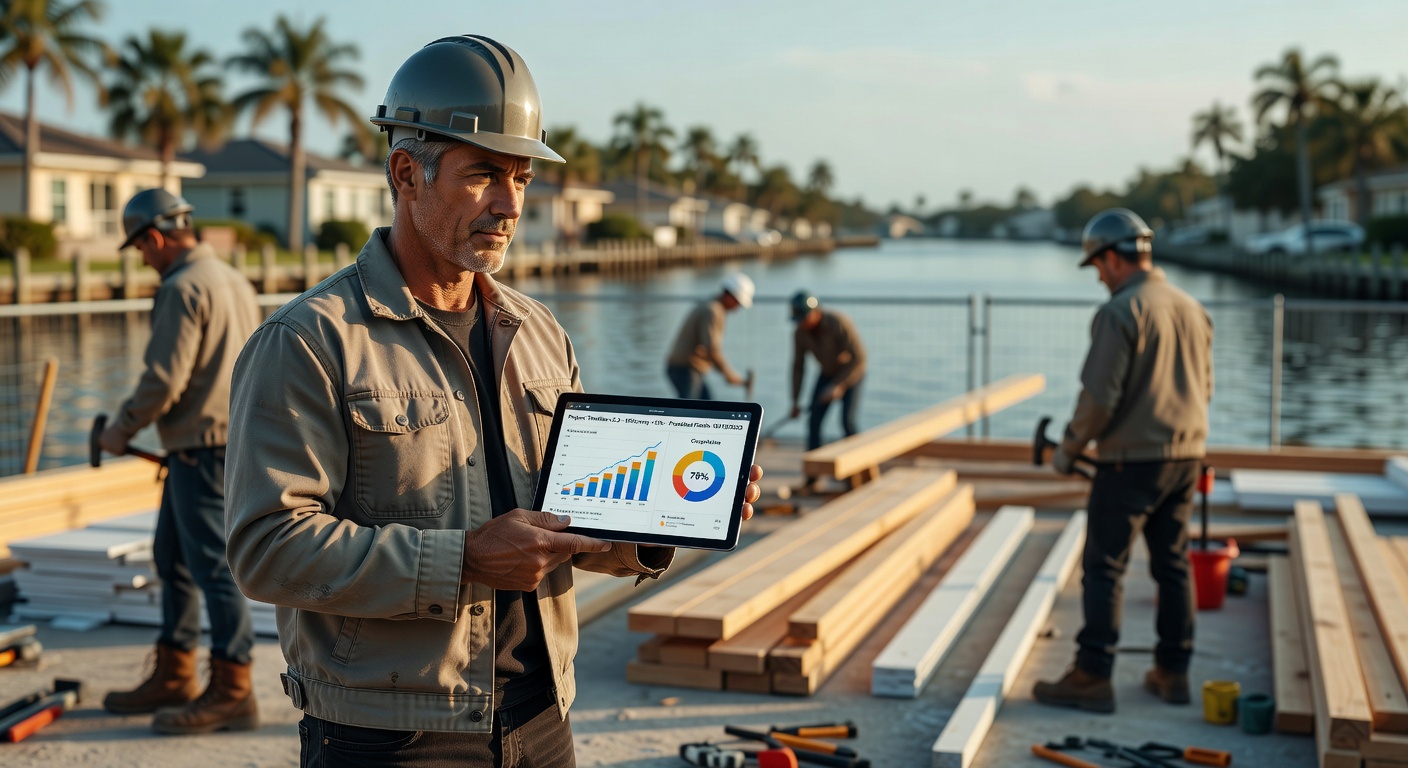
Remodeling projects in Cape Coral require balancing historical architectural elements with modern performance standards. Rybak Construction’s AI-enhanced remodeling workflow integrates parametric design software with real-time cost and schedule optimization engines.
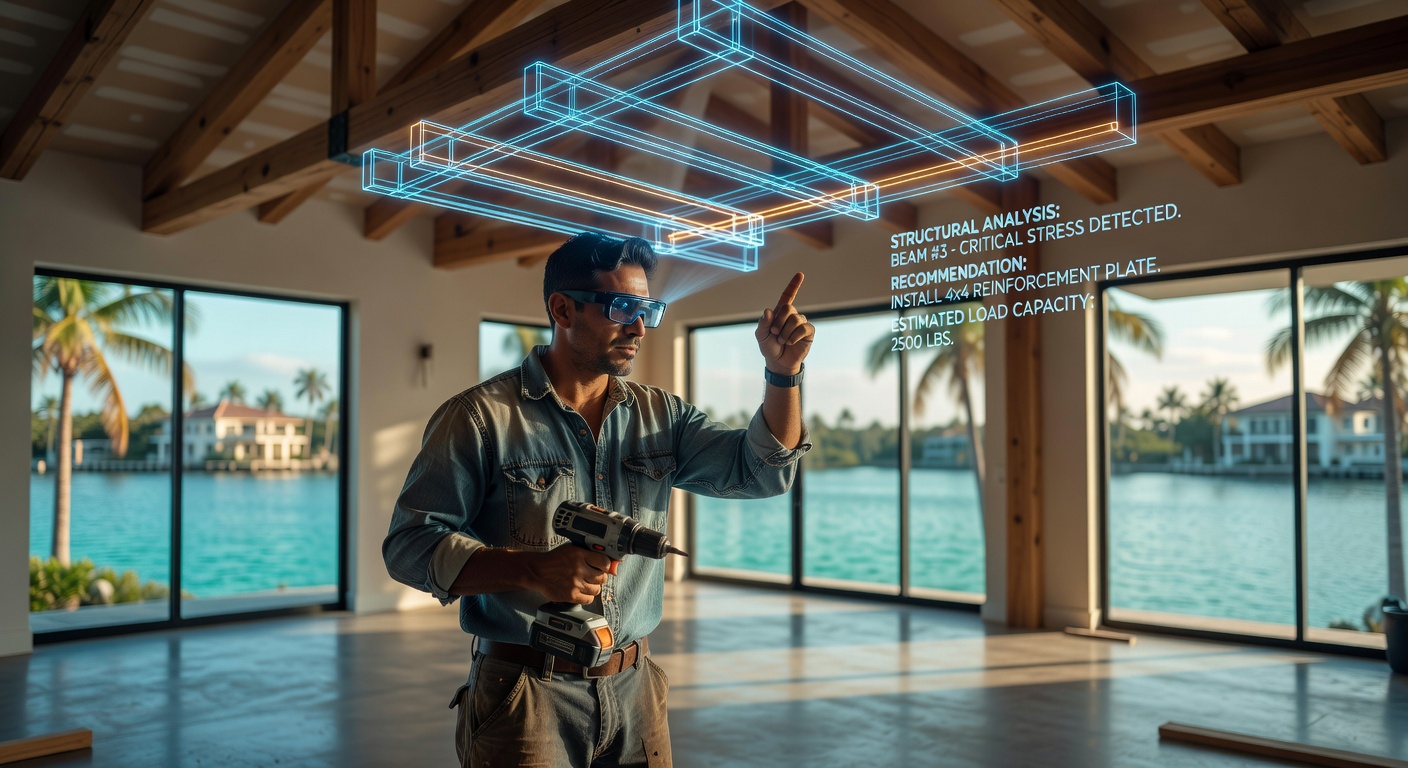
Augmented reality (AR) headsets overlay BIM models onto physical spaces, allowing engineers to validate design intent with millimeter precision. Generative design algorithms explore thousands of design permutations based on constraints including energy efficiency targets, material costs, wind load requirements (up to 180 mph), and aesthetic preferences.
Computer vision systems monitor construction progress through fixed site cameras, comparing actual construction against the 4D BIM schedule. Deviations trigger automated alerts and suggest corrective actions using natural language processing to communicate with project stakeholders.
Technical Components of AI Remodeling
- Real-time material quantity tracking via RFID and computer vision reduces over-ordering by 27%.
- Predictive labor allocation models analyze crew performance data, weather patterns, and task complexity to optimize manpower distribution.
- Post-occupancy simulation using agent-based modeling predicts energy consumption and indoor environmental quality before final build-out.
Post-Disaster Restoration: AI as a Force Multiplier
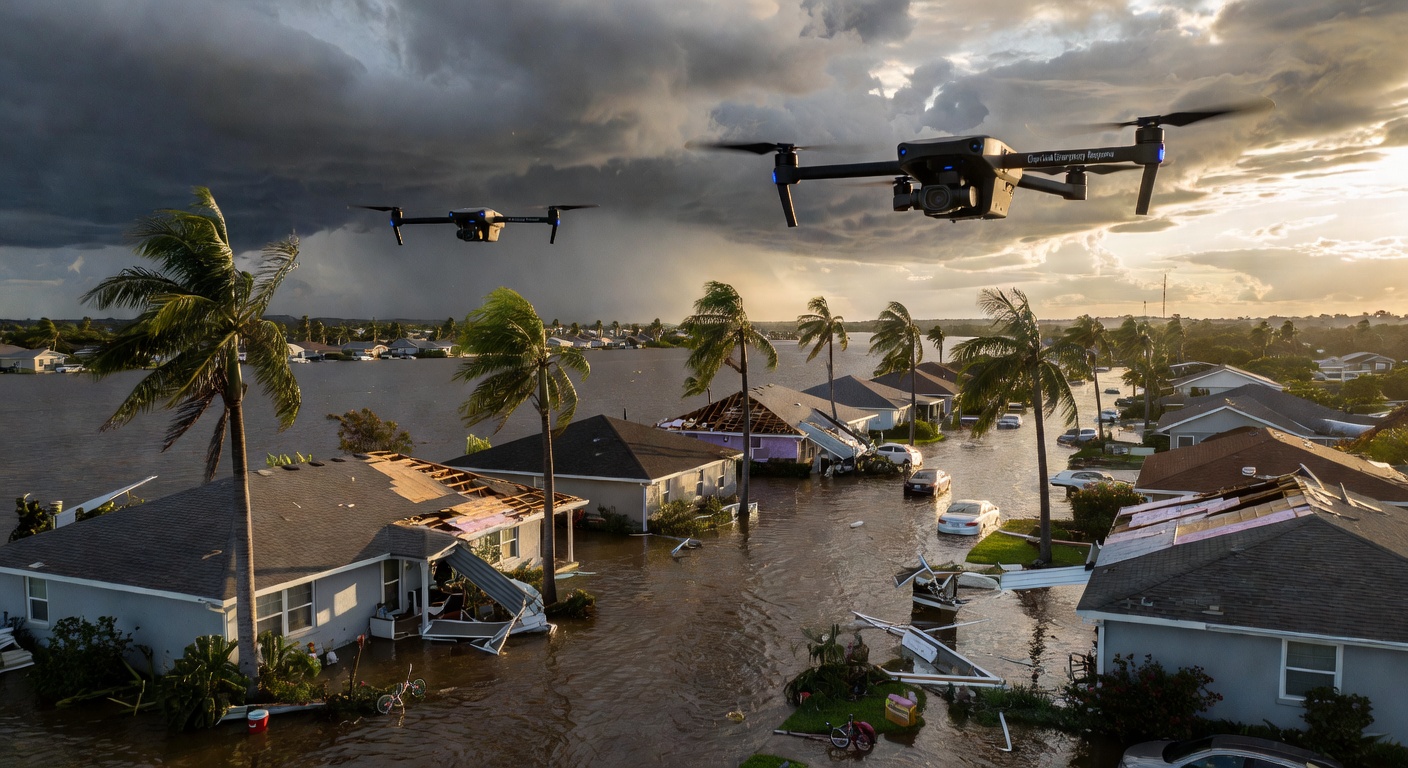
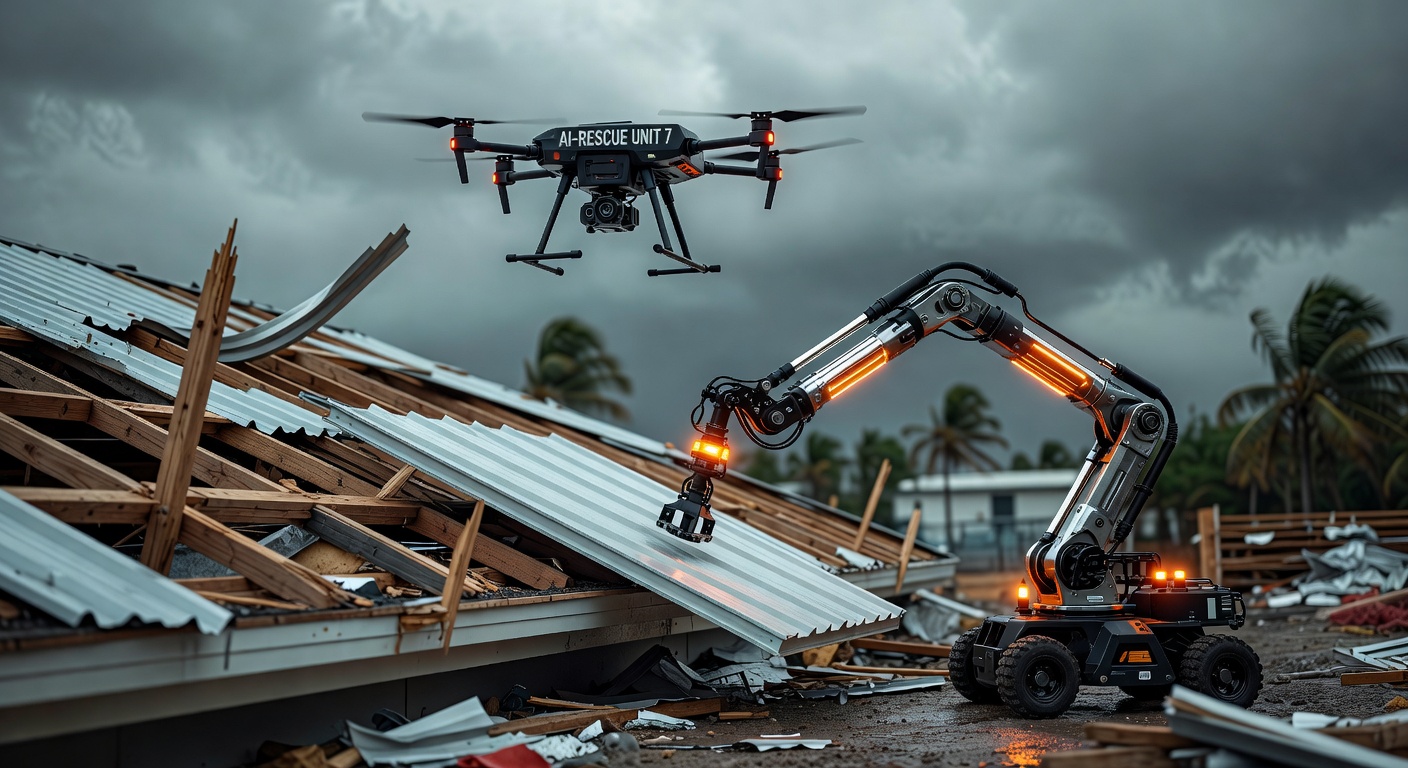
Cape Coral’s vulnerability to tropical cyclones necessitates rapid, accurate damage assessment and restoration. Rybak Construction has developed a proprietary post-disaster AI platform that integrates satellite synthetic aperture radar (SAR), drone photogrammetry, and ground-based sensors.
Within hours of a storm event, machine learning models classify damage severity across thousands of properties using a custom-trained dataset of over 40,000 regional hurricane impact images. The system categorizes damage into structural, envelope, mechanical, and cosmetic categories with 94% precision.
Restoration planning employs mixed-integer linear programming optimized by AI to allocate resources across multiple properties while respecting supply chain constraints and regulatory permitting timelines. Digital twin technology allows virtual testing of repair methodologies against future wind and flood scenarios based on updated FEMA flood maps and ASCE 7 standards.
Quantitative Impact on Recovery Timelines
Traditional assessment methods require 4-6 weeks before restoration begins. Rybak’s AI platform compresses this to 5-9 days. Post-Hurricane Ian deployments demonstrated a 63% reduction in average restoration completion time for residential properties while improving compliance with new Florida Building Code requirements for resilient construction.
Residential Construction: Precision at Scale
Single-family homes constitute the majority of Cape Coral’s building stock. Rybak Construction utilizes AI-powered prefabrication planning that coordinates factory production with on-site assembly. Machine learning algorithms optimize panelization strategies to minimize waste while maximizing thermal performance.
Smart home integration begins at the design phase. Neural networks recommend optimal placement of sensors, conduit runs, and network infrastructure based on projected occupancy patterns and energy profiles. This forward-thinking approach reduces future retrofit costs by an estimated 35%.
Commercial Construction: Complex Systems Optimization
Commercial projects introduce additional variables including occupant load calculations, MEP (mechanical, electrical, plumbing) system complexity, and stringent fire protection requirements. Rybak Construction’s AI command center continuously processes data from over 200 sensors per project, maintaining predictive models that adjust to supply chain disruptions and weather events in real time.
Particularly valuable is the application of reinforcement learning to crane operation scheduling and material delivery logistics in dense commercial districts. These systems have demonstrated consistent 18-22% productivity improvements across multiple high-rise and retail projects.
Implementation Framework at Rybak Construction
As a forward-thinking construction company in Cape Coral, Rybak Construction follows a structured four-phase AI adoption methodology:
- Discovery and Data Foundation: Comprehensive audit of existing processes and creation of standardized data collection protocols.
- Model Development: Training of domain-specific AI models using both public datasets and proprietary project archives.
- Integration and Validation: Parallel testing of AI recommendations alongside traditional methods to establish trust and accuracy metrics.
- Continuous Improvement: Feedback loops that refine algorithms based on post-project performance data.
Challenges and Technical Considerations
Despite significant advantages, AI implementation in construction faces obstacles. Data quality remains paramount; inaccurate inputs produce unreliable outputs (the “garbage in, garbage out” principle). Rybak Construction maintains rigorous data validation pipelines and employs ensemble modeling techniques to mitigate individual algorithm weaknesses.
Cybersecurity represents another critical concern. With increased connectivity comes expanded attack surfaces. The firm employs zero-trust architecture, end-to-end encryption, and regular penetration testing to protect proprietary project data and AI models.
Workforce adaptation requires deliberate investment in upskilling. Rybak Construction has implemented comprehensive technical training programs focusing on data literacy, AI system interaction, and interpretation of algorithmic recommendations.
The Future of AI-Enabled Construction in Cape Coral
Looking ahead, several emerging technologies will further transform the industry. Multimodal AI systems combining visual, textual, and sensor data will enable more intuitive human-machine collaboration. Quantum computing applications may soon solve complex optimization problems currently intractable with classical computers.
Rybak Construction continues investing in research partnerships with regional universities to develop next-generation solutions specifically calibrated to Southwest Florida’s environmental conditions. These include AI systems for predictive corrosion modeling in salt-air environments and autonomous robotic systems for high-risk tasks.
Conclusion
The integration of artificial intelligence and advanced technology has fundamentally altered what is possible in construction. As a leading construction company in Cape Coral, Rybak Construction demonstrates that technical innovation and practical execution can coexist, delivering superior outcomes for residential and commercial clients while enhancing safety and environmental responsibility.
The future belongs to those who systematically embrace data-driven decision making. By continuing to pioneer AI applications in demolition, remodeling, and restoration, Rybak Construction not only builds structures but also builds the technological foundation for a more resilient and efficient construction industry in Cape Coral and beyond.